

Panchakarma Treatment: 7 Things to Know Before Starting
Panchakarma Treatment is a group of traditional Ayurvedic procedures selected according to an individual’s health condition, constitution, and treatment needs. In Ayurveda, Panchakarma is associated with specific cleansing procedures and a structured process that may include preparation, the main therapy, and post-treatment care. It is not a single massage or a standard detox package for everyone.
At Madhavam Ayurveda Hospital Shornur , the topic of Panchakarma can help people understand the principles behind these traditional therapies before discussing their suitability with a qualified Ayurvedic practitioner. People considering treatment in Shornur should understand the process, possible discomforts, preparation requirements, and the importance of disclosing their medical history before starting.
What Is Panchakarma Treatment?
Panchakarma Treatment is an Ayurvedic approach involving a group of five principal procedures traditionally used for specific therapeutic purposes. The word Panchakarma is commonly translated as “five actions” or “five procedures.” The treatment plan may involve preparatory measures, one or more selected procedures, and a period of dietary and lifestyle guidance afterwards.
Panchakarma should not be understood as a universal detox treatment. The procedures are not interchangeable, and each has its own indications, contraindications, and method of administration. A qualified practitioner should assess whether a procedure is appropriate rather than choosing it solely because it is popular.
How Does Panchakarma Work?
In traditional Ayurvedic practice, Panchakarma is intended to address selected imbalances through prescribed procedures and a structured treatment routine. The practitioner may consider factors such as the person’s symptoms, digestion, strength, age, current health, and ability to tolerate treatment.
The preparation and recovery stages are important parts of a Panchakarma programme. The selected procedure is only one part of the overall plan; the practitioner may also provide instructions about meals, rest, hydration, and daily activities. Following these instructions can help the patient understand what to expect throughout the treatment period.
It is useful to clarify the purpose of every recommended step before starting. Ask which procedures are necessary, how long each stage may take, and whether any changes are needed because of your health or medication. A treatment plan should be based on individual assessment rather than a fixed package that is presented as suitable for everyone.
The process is often described in three broad stages:
Preparation: The practitioner may prescribe preparatory measures such as specific dietary guidance, oil application, or heat-based procedures when appropriate.
Main procedure: A selected therapy is carried out according to the treatment plan.
Aftercare: Food, activity, rest, and other instructions may be adjusted to support recovery.
Not every person requires every stage or all five procedures in the same way. The plan depends on clinical assessment and the specific treatment being considered.
What Are the Five Procedures of Panchakarma?
The five procedures commonly described in classical Panchakarma include the following. The exact selection and approach depend on traditional practice, the practitioner’s assessment, and individual suitability.
1. Vamana
Vamana is a medically induced therapeutic emesis procedure used in selected circumstances within Ayurvedic practice. It is not a home remedy and should never be attempted without appropriate professional supervision.
2. Virechana
Virechana is a therapeutic purgation procedure. It involves prescribed measures intended to produce bowel evacuation and requires careful selection, preparation, and monitoring.
3. Basti
Basti involves the administration of prescribed substances through the rectal route. Different forms are described in Ayurveda, including oil-based and decoction-based preparations. It must be administered by appropriately trained professionals.
4. Nasya
Nasya involves administering prescribed substances through the nasal route. Its suitability, preparation, and method depend on the person’s condition and the practitioner’s assessment.
5. Raktamokshana
Raktamokshana is a traditional bloodletting procedure described in some Ayurvedic classifications. It is not suitable for everyone and carries procedural risks. Anyone considering it should discuss the rationale, alternatives, risks, and infection-control measures with a qualified practitioner.
Some commonly advertised Ayurvedic services, such as oil massage or Shirodhara, may be included in a broader wellness plan but are not themselves one of the five principal procedures in every classical classification.
How Is the Body Prepared for Panchakarma?
Preparation may also involve practical arrangements at home. Depending on the procedure, a person may need to organise time for appointments, allow for rest, or temporarily adjust demanding activities according to professional guidance. The practitioner should explain these expectations before treatment begins. Preparation is determined by the intended procedure and the individual’s health. In traditional Ayurvedic practice, preparation may involve dietary changes, prescribed internal or external oil application, and selected heat-based procedures. These steps are not automatically required for everyone.
Before beginning, discuss your usual diet, current medication, allergies, previous treatment experiences, and any ongoing health concerns. Do not stop prescribed medication or make major dietary changes without guidance from the relevant healthcare professional.
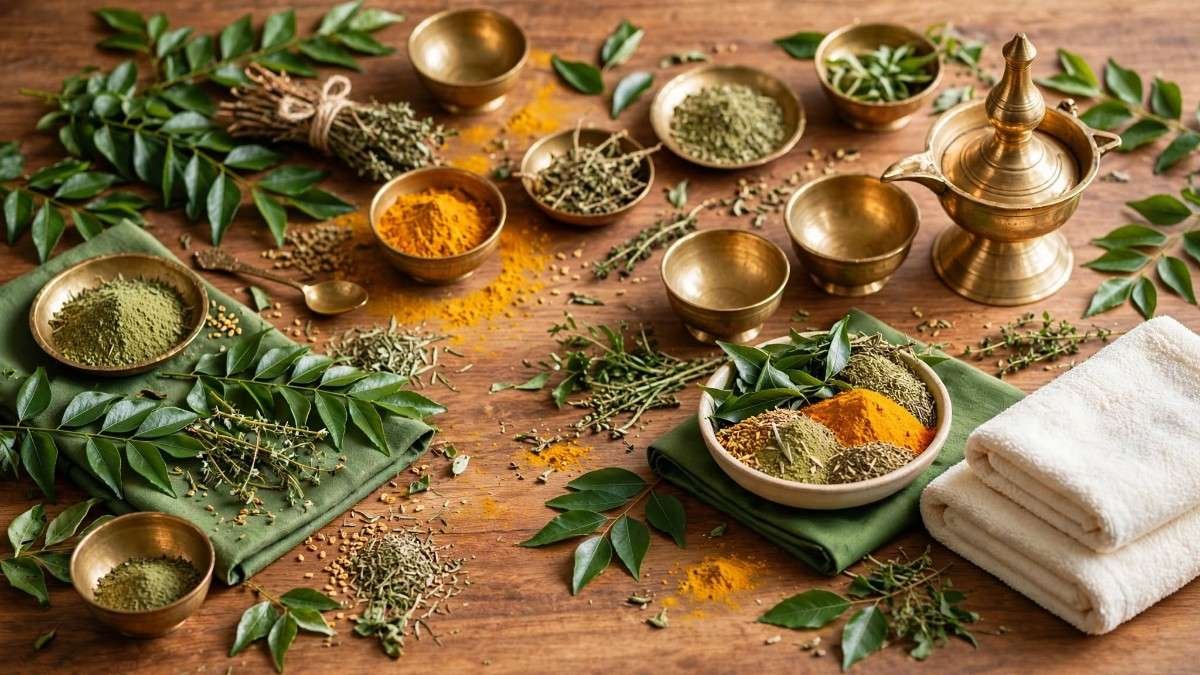
Panchakarma preparation may include arranging prescribed materials, following dietary instructions, and preparing for the selected procedure. The exact requirements depend on the treatment plan, so patients should follow the guidance provided by their practitioner rather than trying traditional preparations independently. Discuss any concerns about food, medicines, daily routines, or the time required before beginning.
Why Is Panchakarma Treatment Personalised?
A personalised plan helps the practitioner consider whether a procedure is appropriate and how it should be carried out. Two people with similar symptoms may have different health histories, medications, levels of physical strength, and risk factors. Personalisation also means recognising when a procedure may not be necessary. A person’s interest in wellness does not automatically mean that an intensive treatment is appropriate.
The practitioner should explain the reason for recommending a procedure and consider whether a less intensive approach or another form of care may be more suitable. Patients should not feel pressured to undergo every procedure associated with Panchakarma. A clear discussion of expected benefits, limitations, costs, time commitments, and potential risks helps them make an informed choice.
A responsible assessment should consider:
The main reason for seeking treatment
Current and past medical conditions
Prescription medicines and supplements
Pregnancy or breastfeeding, where relevant
Age, hydration, nutrition, and general health
The potential risks and expected burdens of the proposed procedure
Treatment should be explained in terms that the patient can understand, including the intended purpose, likely duration, possible adverse effects, alternatives, and aftercare.
What Can You Expect During Panchakarma Treatment?
The experience depends on the selected therapy. Some procedures may require preparation and recovery time, while others may involve a shorter appointment. It is important not to assume that all Panchakarma programmes have the same duration or intensity. Clear communication can make the treatment process easier to understand. Before a procedure, patients should know what will happen, how long the appointment may last, and whether they need to arrange transport or assistance afterwards. These details are particularly important when a procedure may cause temporary discomfort, weakness, or changes in normal bowel function.
Patients should also feel comfortable reporting unexpected symptoms. New or severe pain, persistent vomiting, fainting, significant bleeding, or signs of dehydration require prompt medical assessment. Do not assume that every unpleasant symptom is a normal part of an Ayurvedic procedure.
A typical treatment plan may include an initial consultation, an explanation of the recommended procedure, preparation instructions, supervised treatment, and follow-up guidance. The practitioner should explain what sensations or side effects may occur and what symptoms need prompt medical attention.
Ask in advance whether the plan requires changes to meals, work, travel, exercise, or daily routines. You should also know whom to contact if you feel unwell during or after treatment.
Is Panchakarma Treatment Safe?
Safety depends on the procedure, the patient’s health, the substances used, and the quality of supervision. Procedures that induce vomiting or purgation, involve enemas, or use nasal administration can cause complications in some circumstances. Bloodletting carries additional procedural risks. Informed consent is an important part of making a treatment decision. A practitioner should explain the expected purpose of a procedure, its known risks, relevant precautions, and available alternatives. Patients should have enough time to consider this information and ask questions before agreeing to treatment.
It is also sensible to ask how the centre maintains cleanliness, handles treatment materials, and responds to complications. These questions are especially relevant for procedures involving the nasal or rectal route, induced vomiting or purgation, or bloodletting. If you have a chronic condition or take regular medication, discuss the proposed treatment with your treating healthcare professional as well as the Ayurvedic practitioner.
Ayurvedic products also need careful consideration. Some preparations have been found to contain potentially harmful metals, including lead, mercury, or arsenic. Evidence for the effectiveness of Ayurveda across different health conditions remains limited, so Panchakarma should not be presented as a proven cure for every illness.
Tell your practitioner about all medicines and supplements you use. Do not delay necessary conventional medical care or replace prescribed treatment for a serious condition with Panchakarma without consulting your treating healthcare professional.
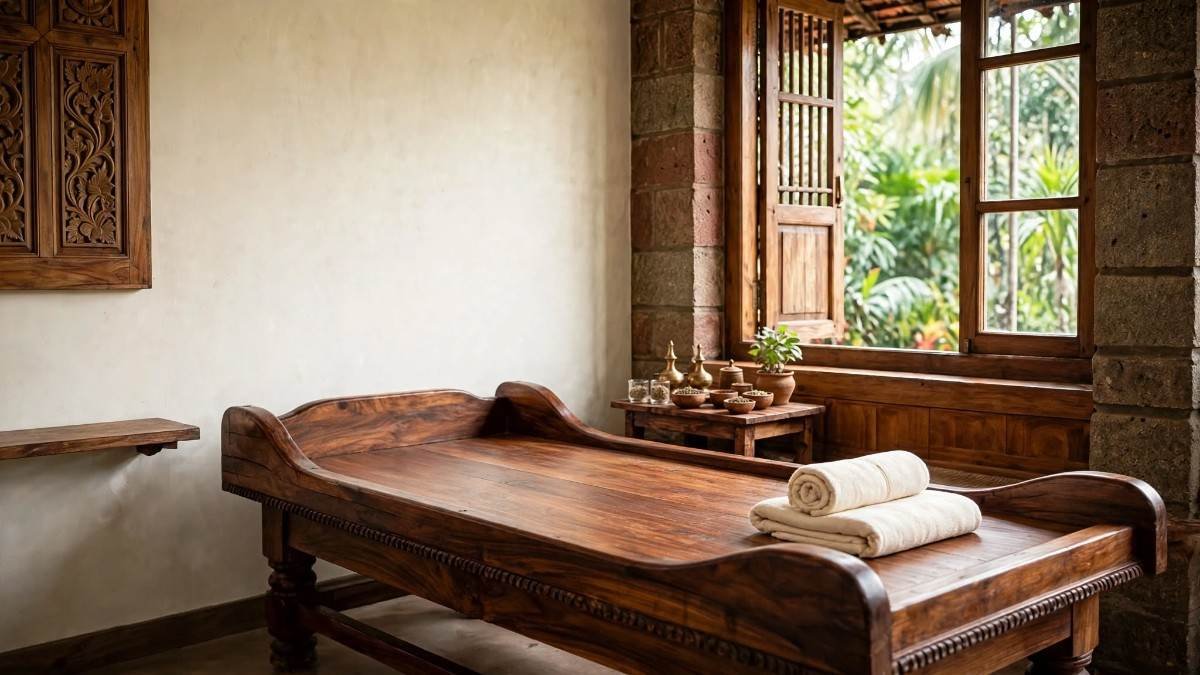
Aftercare instructions may cover rest, meals, activity levels, and the next steps in the treatment plan. The recommendations should reflect the procedure performed and the patient’s individual condition. Before leaving the centre, make sure you understand which symptoms need medical attention, whom to contact if you feel unwell, and when any follow-up appointment is required.
Who May Consider Panchakarma Treatment?
People interested in traditional Ayurvedic care may ask a qualified practitioner whether a particular Panchakarma procedure is suitable for their needs. Suitability cannot be determined by age, symptoms, or a general wellness goal alone.
Some people may need to avoid specific procedures or require additional medical assessment. This can include people with significant underlying illness, frailty, dehydration, pregnancy, or other factors that increase procedural risk. The decision should be individualised, with clear discussion of alternatives and limitations.
How Do You Choose an Ayurveda Centre?
Before choosing a centre, consider the qualifications of the practitioner, the assessment process, the explanation of risks, hygiene standards, and the level of follow-up provided. A centre should be willing to explain why a procedure is recommended and when it would not be appropriate.
Look for clear information about:
Who assesses and supervises the treatment
How medical history and current medication are reviewed
What each procedure involves
How possible complications are handled
Whether the treatment plan includes appropriate aftercare
What costs, time commitments, and restrictions apply
Be cautious about guaranteed results, claims to remove all toxins, or promises to cure serious diseases through Panchakarma alone.
Discussing Panchakarma at Madhavam Ayurveda Hospital
If you are considering Panchakarma Treatment, the next step is to discuss your health goals and medical history with a qualified Ayurvedic practitioner. Madhavam Ayurveda Hospital can be considered as a starting point for enquiries about its available services, assessment process, and treatment arrangements. Confirm the specific procedures offered, suitability requirements, and expected costs directly before making a decision.
Before arranging treatment, consider preparing a short list of questions about the proposed programme. Ask which procedures are available, how suitability is assessed, what preparation is expected, and how follow-up is arranged. You can also confirm appointment availability, the estimated duration, the fees involved, and any restrictions that may affect your daily routine.
The most appropriate treatment plan is one that is explained clearly, accounts for your individual health needs, and includes proper supervision and aftercare.
Frequently Asked Questions
Panchakarma Treatment is a traditional Ayurvedic approach involving five principal procedures selected according to individual needs and professional assessment.
The five commonly described procedures are Vamana, Virechana, Basti, Nasya, and Raktamokshana. Their suitability varies by individual.
No. A qualified practitioner should assess medical history, current health, medicines, and other risk factors before recommending a procedure.
Duration depends on the selected procedure, preparation, individual treatment plan, and aftercare requirements. Ask the practitioner for a schedule before starting.
No. Massage may be part of some Ayurvedic care plans, but Panchakarma refers to specific traditional procedures with distinct methods and indications.
Some procedures involve preparation, such as prescribed dietary measures or other preparatory treatments. Requirements depend on the procedure and the person's health.
Yes. Depending on the procedure, risks can include dehydration, weakness, irritation, bleeding, or infection. Discuss possible complications with the practitioner.
Do not stop prescribed medication without advice from the clinician responsible for your care. Tell your Ayurvedic practitioner about all medicines and supplements you use.
No. Panchakarma should not be presented as a guaranteed cure or as a replacement for necessary medical assessment and treatment.
Ask about the recommended procedure, its purpose, practitioner qualifications, risks, preparation, duration, cost, aftercare, and alternatives.