
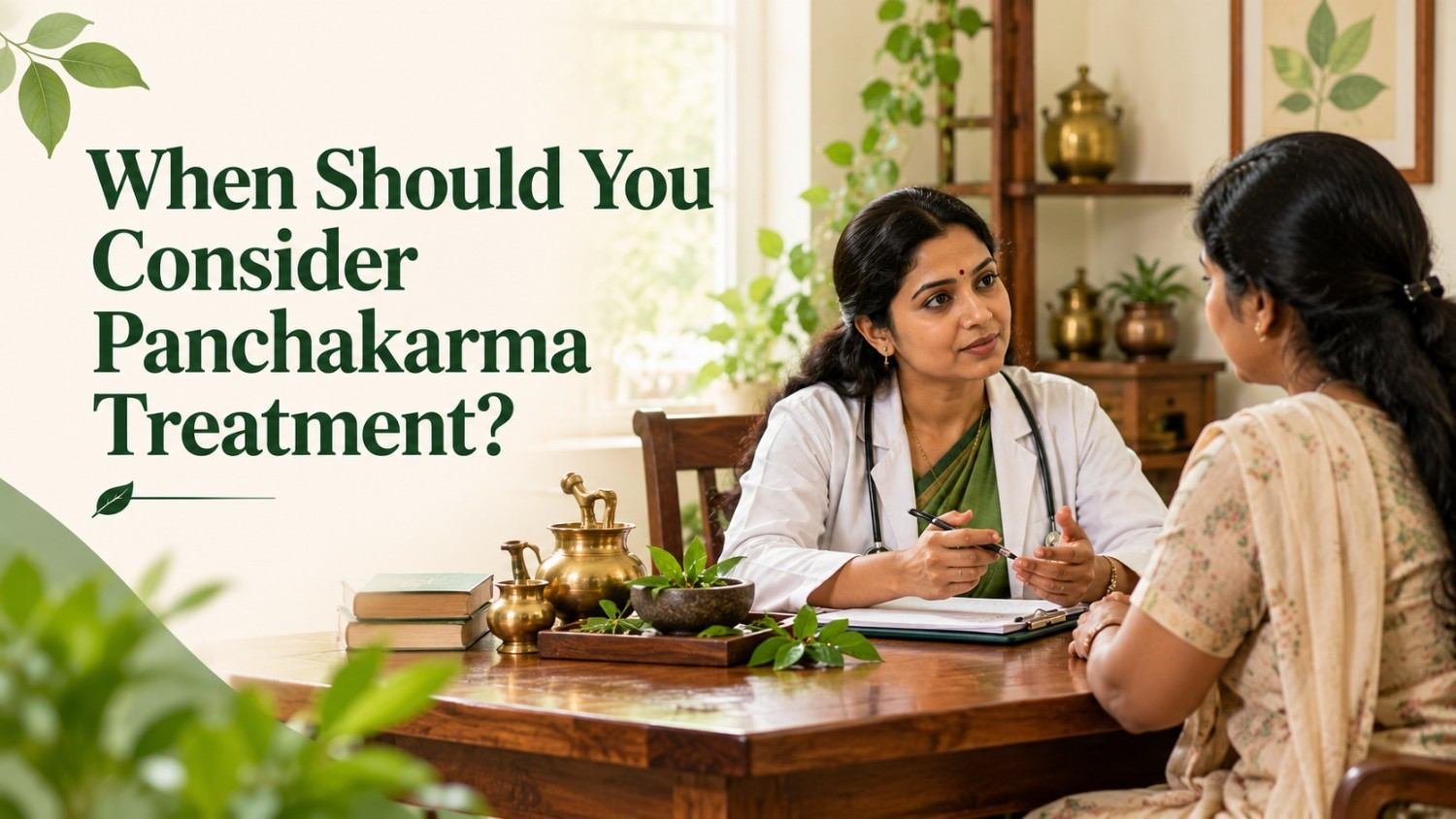
When Should You Consider Panchakarma Treatment? 10 Key Signs
When Should You Consider Panchakarma Treatment? This is an important question for people who want to understand traditional Ayurvedic healthcare and decide whether it is suitable for their needs. Panchakarma is a specialised group of procedures in Ayurveda that may be recommended after an individual assessment by a qualified Ayurvedic physician. The treatment plan can involve preparatory therapies, selected procedures, dietary guidance, rest, and lifestyle recommendations. The right time to consider Panchakarma depends on a person’s health, symptoms, age, medical history, and treatment goals. It is not a routine treatment that everyone needs, and it should never replace necessary medical care.
People exploring Panchakarma treatment in Shoranur and other parts of Kerala should understand what the treatment involves before making a decision. Ayurveda has traditionally used Panchakarma to address specific health concerns and support balance within its healthcare framework. However, scientific evidence for many claimed benefits remains limited, and Panchakarma procedures can carry risks. A consultation helps determine whether a particular therapy is appropriate, whether additional medical evaluation is needed, and what precautions should be followed. Knowing when to seek professional advice is more important than following a treatment trend or choosing a procedure based on someone else’s experience.
1. When Should You Consider Panchakarma Treatment for General Wellness?
One reason people explore Panchakarma is a desire to improve their general approach to wellness. They may want to review their eating habits, daily routine, sleep, physical activity, and stress management with a healthcare professional. In traditional Ayurveda, Panchakarma may be considered as part of a broader plan based on a person’s constitution and health concerns. However, feeling tired or wanting a fresh start does not automatically mean that Panchakarma is necessary. A qualified physician should first understand the person’s symptoms and determine whether treatment is appropriate.
If you are considering Panchakarma for general wellness, begin by arranging a consultation rather than selecting a treatment package yourself. Explain your health goals, previous illnesses, ongoing symptoms, and current medicines. The physician can discuss whether any Ayurvedic therapy is suitable and whether conventional medical assessment is also needed. Healthy habits such as eating balanced meals, sleeping regularly, remaining physically active, and managing stress are important regardless of whether you choose Panchakarma. Treatment should be based on individual needs, not the assumption that every person requires cleansing or detoxification.
2. When Should You Consider Panchakarma Treatment for Digestive Concerns?
Digestive discomfort is one reason some people seek an Ayurvedic consultation. Symptoms such as irregular bowel movements, bloating, changes in appetite, or a feeling of heaviness may lead someone to explore traditional treatment options. An Ayurvedic physician may ask about food choices, meal timing, hydration, daily activities, and the nature of the symptoms before recommending a plan. Depending on the assessment, the plan might include dietary advice or selected therapies. These recommendations should be tailored to the individual rather than applied as a standard programme for everyone.
Digestive symptoms can also result from conditions that need conventional medical diagnosis. Persistent abdominal pain, blood in the stool, repeated vomiting, unexplained weight loss, or ongoing diarrhoea should not be treated as signs that the body simply needs cleansing. Seek appropriate medical assessment for these symptoms. Some Panchakarma procedures, including therapeutic purgation and enemas, can affect fluid and electrolyte balance and may be unsuitable for certain people. Never use strong laxatives, fasting, or cleansing treatments without professional guidance. The first step is understanding the cause of the problem and choosing safe, appropriate care.
3. Should You Consider Panchakarma Treatment When You Feel Stressed?
People experiencing everyday stress may look for ways to relax and establish healthier routines. An Ayurvedic consultation can provide an opportunity to discuss sleep, work demands, physical activity, diet, and other factors affecting well-being. Depending on the person’s circumstances, selected external treatments, such as gentle oil application or massage, may be considered when appropriate. Some individuals find these therapies relaxing, although the experience varies. Rest, social support, regular exercise, and a manageable daily schedule can also help people cope with ordinary stress.
Panchakarma should not be considered a guaranteed treatment for anxiety, depression, panic attacks, or other mental health conditions. Persistent stress that affects relationships, school, work, sleep, or everyday activities deserves appropriate attention. If you experience severe anxiety, ongoing low mood, or difficulty coping, consult a qualified mental health professional or doctor. Ayurvedic care may be discussed as a complementary option when appropriate, but it should not delay evidence-based treatment. If you are already receiving mental health care, tell your healthcare team about any additional therapies you are considering.
4. When Should You Consider Panchakarma Treatment for Sleep Problems?
Poor sleep can leave people feeling tired, irritable, and less able to concentrate. If you regularly struggle to fall asleep, wake frequently during the night, or feel exhausted during the day, it is worth examining your sleep habits and possible underlying causes. An Ayurvedic physician may ask about your daily routine, meals, activity levels, and stress. Depending on your needs, a treatment plan may include lifestyle recommendations and selected relaxation-oriented therapies. These approaches should be chosen according to your health rather than based on a general promise of better sleep.
Persistent sleep problems can be associated with sleep apnoea, chronic pain, medication effects, anxiety, and other medical conditions. Panchakarma has not been established as a cure for these disorders. Try maintaining regular sleep and waking times, creating a comfortable sleeping environment, and reducing stimulating activities close to bedtime. If sleep difficulties continue or affect your daily functioning, seek medical advice. Older adults should be particularly careful about treatments that may cause weakness, dehydration, or dizziness. A proper assessment can help identify the reason for poor sleep and guide appropriate treatment.
5. Should You Consider Panchakarma Treatment for Muscle and Joint Discomfort?
People with muscle stiffness or joint discomfort sometimes explore traditional Ayurvedic therapies as part of their care. Depending on the condition, a qualified physician may consider external treatments, such as oil application or massage, if they are appropriate. Before recommending a procedure, the physician should ask where the discomfort occurs, how long it has lasted, whether movement makes it worse, and whether there is swelling or a history of injury. Understanding these details helps determine whether additional medical assessment is needed before any therapy begins.
Joint and muscle pain can have several causes, including injuries, osteoarthritis, inflammatory arthritis, and infections. Panchakarma is not a substitute for diagnosing these conditions or receiving necessary treatment. Sudden severe pain, a hot or swollen joint, fever, or inability to use a limb may require urgent medical attention. Massage and heat may be unsuitable in some acute conditions. If you have a long-term joint problem, discuss any proposed Ayurvedic treatment with your treating clinician, especially if you take regular medicines or have already been advised to undergo physiotherapy or another form of treatment.
6. When Should You Consider Panchakarma Treatment as Part of a Lifestyle Review?
A busy lifestyle can make it difficult to maintain regular meals, adequate sleep, physical activity, and time for relaxation. Some people consider an Ayurvedic consultation when they want help reviewing these habits. Traditional Ayurvedic care places importance on daily routines and the relationship between lifestyle and well-being. A physician may discuss practical changes and determine whether any specific therapy is appropriate. This can be an opportunity to develop a more consistent routine, provided the recommendations are safe and realistic for the person’s circumstances.
You do not need to undergo Panchakarma simply because you have an irregular schedule or want to improve your lifestyle. Many useful changes can begin without a specialised procedure. Eating a varied, balanced diet, drinking appropriate amounts of water, getting enough sleep, and engaging in regular physical activity are important starting points. Avoid extreme fasting, restrictive diets, or intensive cleansing programmes without medical advice. People with chronic illnesses may need individual dietary and activity recommendations. Consider Panchakarma only after understanding the proposed treatment and discussing whether it offers an appropriate role in your overall healthcare plan.
7. When Should You Consider Panchakarma Treatment After Medical Advice?
People with ongoing health concerns sometimes want to explore Ayurveda alongside their existing healthcare. In these situations, a consultation is important before beginning Panchakarma. Tell the Ayurvedic physician about your diagnosis, previous operations, allergies, current medicines, and any treatment already prescribed. The physician should assess whether the proposed procedures are appropriate and explain their possible risks. If you have a complex medical condition, coordination with your treating doctor can help prevent unnecessary risks or interruptions to essential care.
Panchakarma should not replace prescribed treatment for diabetes, heart disease, kidney disease, cancer, or other significant medical conditions. Some procedures may cause dehydration, changes in blood pressure, or other complications, while certain herbal products may interact with medicines. If you are recovering from surgery or a serious illness, seek advice from your treating healthcare team before considering intensive therapies. The decision should be based on your current health and the potential risks, not on a promise that Panchakarma can cure a disease or remove every harmful substance from the body.
8. When Should You Consider Panchakarma Treatment After an Ayurvedic Consultation?
An Ayurvedic consultation is the appropriate starting point if you want to know whether Panchakarma may be suitable for you. During the appointment, the physician may ask about your symptoms, medical history, diet, daily habits, previous treatments, and health goals. You should also discuss any medicines, vitamins, herbal preparations, or supplements you take. This information helps the physician evaluate your circumstances and decide whether a particular procedure is appropriate. You can ask about the purpose of each therapy, how it is performed, and what preparation or recovery may be required.
Before agreeing to treatment, make sure you understand the expected benefits, limitations, costs, duration, and possible side effects. Ask what monitoring is provided and what to do if you experience discomfort or an unexpected reaction. You should never feel pressured to accept a procedure you do not understand. If the proposed treatment seems unsuitable, a second opinion may be helpful. A responsible practitioner will explain when treatment is not recommended and will refer you for conventional medical assessment when symptoms suggest that further investigation is necessary.
9. When Should Children and Older Adults Consider Panchakarma Treatment?
Children and older adults require special attention when any healthcare procedure is being considered. Children have different nutritional needs and may respond differently to treatments that affect digestion or fluid balance. Older adults may be more vulnerable to dehydration, falls, changes in blood pressure, and medication interactions. Therefore, Panchakarma should not be recommended simply because another family member has undergone the treatment. The person’s age, general health, medical history, and the specific procedure must be considered by an appropriately qualified healthcare professional.
Parents should consult a clinician with relevant paediatric expertise before considering Ayurvedic treatment for a child. Older adults should discuss their health conditions and medicines with both their treating doctor and the Ayurvedic physician. Forceful cleansing procedures, fasting, and unsupervised herbal products can be particularly concerning for people in these age groups. Pregnancy and breastfeeding also require special consideration before any Panchakarma procedure is planned. The safest decision is one based on an individual assessment, clear information about potential risks, and appropriate medical supervision.
10. When Should You Consider Panchakarma Treatment in Shoranur?
If you are searching for Panchakarma treatment in Shoranur, consider arranging an initial consultation with a qualified Ayurvedic physician. A consultation can help you understand the available procedures, their traditional purpose, and whether they are suitable for your needs. Ask about the practitioner’s qualifications, the treatment setting, hygiene standards, preparation requirements, possible side effects, and follow-up arrangements. You should receive clear explanations rather than promises of guaranteed results. A trustworthy provider will consider your existing health conditions and advise you when conventional medical assessment is necessary.
Madhavam Ayurveda Hospital is associated with traditional Ayurvedic care in Shoranur, Palakkad, Kerala. If you are considering treatment there, confirm the current location, appointment arrangements, and availability of the specific Panchakarma procedures you are interested in. People searching specifically for care in Shoranur should verify the location of any provider before travelling. The best time to consider Panchakarma is when you have a clear reason for seeking treatment, have received an appropriate assessment, understand the potential benefits and risks, and can follow the recommended care plan safely.
Frequently Asked Questions
You may consider consulting a qualified Ayurvedic practitioner if you are interested in traditional Ayurvedic wellness care, relaxation, or personalised lifestyle guidance. Panchakarma is not suitable for everyone, so a practitioner should assess your health, medical history, and treatment goals before recommending any procedures.
Some people explore Ayurvedic therapies and relaxation routines as part of their approach to managing everyday stress. The experience varies, and Panchakarma is not a substitute for mental health care when stress or anxiety is persistent or severe. Discuss your needs with a qualified healthcare professional.
People with digestive concerns may seek advice from an Ayurvedic practitioner, but the cause of the symptoms should be considered before treatment. Panchakarma is not a proven treatment for every digestive condition. Severe abdominal pain, persistent vomiting, blood in the stool, or unexplained weight loss requires prompt medical assessment.
Frequent tiredness can have many causes, including poor sleep, anaemia, thyroid problems, nutritional deficiencies, or other medical conditions. It is important to identify the cause rather than assume Panchakarma will help. Consult a healthcare professional if fatigue continues, worsens, or affects daily activities.
Some adults explore Panchakarma as part of a traditional wellness plan that may include dietary advice, rest, and supervised therapies. The potential benefits and risks depend on the individual and the procedures selected. Healthy eating, regular physical activity, adequate sleep, and appropriate medical care remain important.
Suitability for older adults depends on general health, mobility, hydration, existing medical conditions, and medicines. Some intensive procedures may carry additional risks for people who are frail or have chronic illnesses. An individual assessment is essential before starting any Panchakarma programme.
You should not begin Panchakarma without professional assessment if you are pregnant, acutely unwell, dehydrated, medically unstable, or living with a condition that could make particular procedures unsafe. The risks vary by procedure. Tell your practitioner about all medicines and medical conditions before treatment.
Yes. A qualified Ayurvedic practitioner should review your health history, current symptoms, medicines, and treatment goals before recommending a programme. Ask about expected outcomes, possible side effects, alternative options, and whether coordination with your usual healthcare professional is needed.
Readiness involves understanding the proposed procedures, possible risks, time commitment, preparation, and aftercare. Share your medical history and ask questions before agreeing to treatment. Do not stop prescribed medication, fast, or undertake intensive cleansing practices unless appropriately advised by your healthcare professional.
There is no single waiting period that applies to everyone. New, persistent, or worsening symptoms should be medically assessed instead of delaying care to try Panchakarma. If you are considering it for general wellness, arrange a consultation to discuss suitability and whether the proposed therapies fit your health needs.