
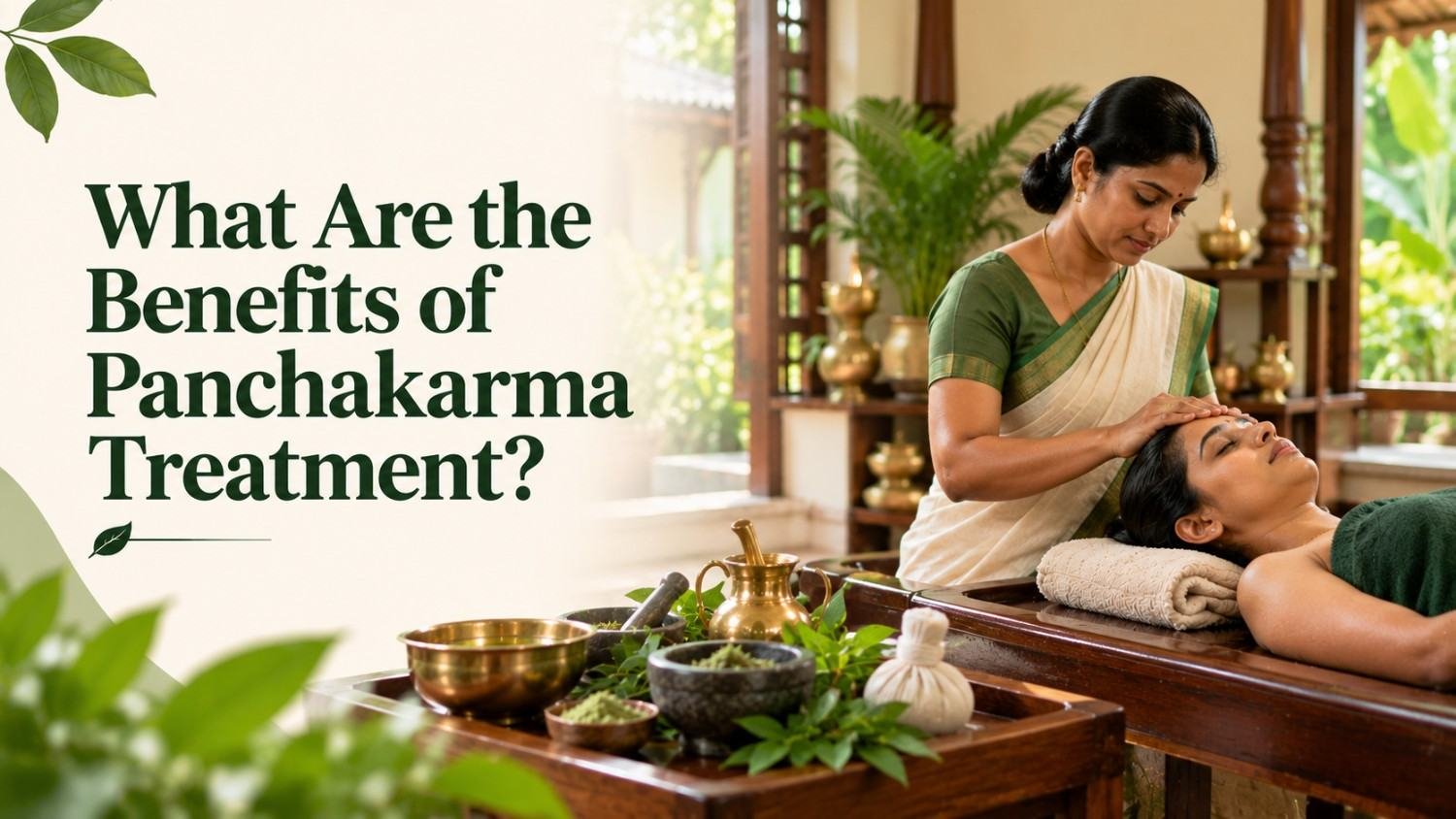
What Are the Benefits of Panchakarma Treatment?
What Are the Benefits of Panchakarma Treatment? This is a common question among people who want to understand traditional Ayurvedic therapies and their role in maintaining overall well-being. Panchakarma is a group of specialised procedures in Ayurveda that are traditionally used to support the body’s natural balance and address certain health concerns. The treatment plan may include therapeutic procedures, herbal preparations, dietary guidance, rest, and lifestyle recommendations. The benefits depend on the individual’s health, age, medical history, and the therapies prescribed. Understanding Panchakarma helps individuals and families make informed decisions about Ayurvedic care.
Panchakarma is not simply an oil massage or a general relaxation treatment. It is a structured approach that should be planned and supervised by a qualified Ayurvedic physician. Some procedures may involve significant physical effects, so they are not suitable for everyone. People looking for Panchakarma treatment in Shoranur or other parts of Kerala should understand the treatment process, its potential benefits, and its limitations before making an appointment.
1. What Are the Benefits of Panchakarma Treatment for Overall Wellness?
One of the main traditional benefits of Panchakarma treatment is its role in supporting overall wellness. Ayurveda considers the body, mind, digestion, daily habits, and individual constitution when planning treatment. Depending on the person’s needs, a physician may recommend selected therapies alongside appropriate food, rest, and lifestyle changes. This personalised approach encourages people to pay attention to their everyday health rather than focusing only on individual symptoms. However, Panchakarma should not be considered a guaranteed way to prevent illness or replace routine medical check-ups.
Panchakarma programmes may include oil application, gentle massage, warm herbal preparations, and other procedures selected by the physician. Some people may find supervised therapies relaxing and appreciate having dedicated time for rest and self-care. The experience varies from person to person, and the benefits cannot be assumed to be the same for everyone. Scientific evidence supporting the complete Panchakarma programme remains limited, so it is important to distinguish traditional Ayurvedic explanations from outcomes established through well-designed clinical research.
2. How Can Panchakarma Treatment Support Digestive Well-Being?
Digestive health is an important part of the traditional Ayurvedic approach. Ayurveda uses the concept of Agni, commonly explained as digestive and metabolic function, to describe how the body processes food. During Panchakarma planning, an Ayurvedic physician may review a person’s appetite, bowel habits, food preferences, daily routine, and other symptoms. Dietary recommendations may include regular meal times, suitable portions, and foods chosen according to the person’s needs. These measures may encourage healthier eating habits, although their effects depend on individual circumstances.
Certain Panchakarma procedures, particularly those involving therapeutic purgation or enemas, directly affect bowel function. They must not be confused with ordinary dietary changes or harmless cleansing routines. These procedures can cause dehydration, electrolyte disturbances, or other complications if performed inappropriately. People with persistent constipation, diarrhoea, abdominal pain, vomiting, or unexplained weight loss should receive appropriate medical assessment rather than relying on a cleansing programme. Panchakarma should be considered only after a qualified physician has assessed whether a particular procedure is suitable.
3. Can Panchakarma Treatment Help With Stress and Relaxation?
Stress can affect sleep, concentration, mood, and daily activities. Some people explore traditional Ayurvedic therapies because they want to make time for rest and relaxation. Depending on the prescribed programme, selected external treatments may include oil massage, gentle therapeutic applications, and quiet periods of rest. These activities may feel soothing for some individuals. A calm environment, regular sleep, balanced meals, and manageable daily routines can also contribute to general well-being.
The benefits of Panchakarma treatment for stress should be understood realistically. Relaxation during a treatment session does not mean that an anxiety disorder or another mental health condition has been cured. Research specifically examining the complete Panchakarma programme for stress-related conditions remains limited. People experiencing persistent anxiety, low mood, panic attacks, or severe sleep difficulties should seek appropriate professional support. Ayurvedic care, when suitable, may form part of a broader wellness plan, but it should not delay evidence-based mental health treatment when needed.
4. What Are the Benefits of Panchakarma Treatment for Sleep and Rest?
Good sleep allows the body and brain to recover from everyday activities. A consistent bedtime, a comfortable sleeping environment, reduced late-night screen use, and regular daytime activity can support healthy sleep patterns. Some people find that relaxing Ayurvedic treatments help them feel calmer before bedtime. When these treatments are part of a supervised programme, the physician may also discuss daily habits that influence sleep, including meal timing, activity levels, and the management of stress.
However, Panchakarma is not an established cure for insomnia or other sleep disorders. Sleep difficulties may result from pain, medication effects, breathing problems, anxiety, or other medical conditions. Older adults may experience changes in sleep that deserve careful assessment, especially when accompanied by falls, confusion, or daytime drowsiness. If sleep problems continue for several weeks or interfere with everyday life, consulting a qualified healthcare professional is important. Any Ayurvedic treatment should be selected with attention to the person’s health and current medications.
5. How May Panchakarma Treatment Support Muscles and Joint Comfort?
Muscle stiffness and joint discomfort can make everyday tasks more difficult. Depending on the diagnosis, an Ayurvedic physician may consider external therapies such as oil application, massage, or selected warm herbal treatments as part of a personalised care plan. Some people find these procedures comforting, particularly when gentle techniques are appropriate for their condition. The physician should consider the location of the discomfort, its severity, the person’s mobility, and any other medical problems before recommending a treatment.
It is important to understand that joint pain can have many causes, including osteoarthritis, rheumatoid arthritis, injuries, and infections. The benefits of Panchakarma treatment for musculoskeletal symptoms are not equally established across these conditions. Massage or heat may not be appropriate when a joint is acutely inflamed, swollen, injured, or infected. People with severe pain, sudden swelling, fever, or difficulty bearing weight need prompt medical assessment. Ayurvedic therapies should complement an appropriate diagnosis and treatment plan rather than replace necessary medication, rehabilitation, or specialist care.
6. Can Panchakarma Treatment Encourage Healthier Daily Habits?
A supervised Panchakarma programme may involve more than the procedures themselves. The physician may discuss food choices, meal timing, hydration, rest, physical activity, and daily routines. These conversations can help people identify habits that influence how they feel throughout the day. For example, maintaining regular meal times, getting sufficient sleep, and avoiding excessive physical strain during recovery may help create a more consistent routine. Such habits can be useful elements of a broader approach to health.
These lifestyle recommendations should be practical and suited to the person’s age, work schedule, nutritional needs, and medical history. Children, older adults, pregnant individuals, and people with chronic illnesses may require special consideration. Strict fasting, excessive fluid intake, restrictive diets, or intense cleansing routines should not be adopted without appropriate medical advice. The value of a wellness programme depends on whether its recommendations are safe, sustainable, and suitable for the individual, rather than on how demanding the treatment appears.
7. What Is the Role of Panchakarma in Traditional Preventive Healthcare?
In Ayurveda, Panchakarma is traditionally used within a broader system of healthcare that considers an individual’s constitution, symptoms, diet, environment, and daily habits. Some practitioners recommend selected therapies for particular health concerns or as part of a personalised wellness plan. The physician determines the procedures, preparation, duration, and follow-up according to the person’s condition. This individualised process is different from purchasing a standard cleansing package and expecting the same result as everyone else.
The benefits of Panchakarma treatment for disease prevention should not be overstated. There is insufficient high-quality evidence to conclude that Panchakarma prevents all diseases, removes every toxin, or guarantees long-term health. Established preventive measures remain important, including recommended vaccinations, screening tests, nutritious food, physical activity, adequate sleep, and avoiding tobacco. People with diabetes, high blood pressure, heart disease, or other chronic conditions should discuss any planned Ayurvedic treatment with their healthcare team to reduce the risk of complications or interactions.
8. How Can Panchakarma Treatment Support a Personalised Wellness Plan?
A person’s age, symptoms, physical strength, and medical history can influence which therapies are appropriate. A qualified Ayurvedic physician should begin with a consultation and determine whether Panchakarma is suitable. This assessment may include a review of existing diagnoses, current medication, previous treatments, allergies, and relevant examination findings. The physician can then explain the proposed procedures, expected duration, preparation requirements, possible discomforts, and follow-up arrangements. This step is particularly important because Panchakarma includes procedures with different levels of physical impact.
A personalised plan should also account for practical needs, such as work responsibilities, family care, transport, and recovery time. Some people may be advised to consider a different treatment approach or avoid certain procedures altogether. The benefits of Panchakarma treatment cannot be predicted accurately without considering these factors. Patients should feel comfortable asking questions and discussing concerns before agreeing to treatment. They should also receive clear instructions about warning signs, when to stop a procedure, and how to obtain medical assistance if an unexpected problem develops.
9. What Are the Benefits of Panchakarma Treatment for Different Age Groups?
Adults may explore Panchakarma for selected wellness goals, but the suitability of treatment depends on their health and the specific procedure. Older adults may need additional precautions because they can be more vulnerable to dehydration, changes in blood pressure, falls, and medication-related complications. A physician should carefully consider their nutritional status, kidney and heart health, mobility, and other existing conditions before recommending any procedure. Gentle external therapies may be more appropriate in some situations, but even these require individual assessment.
Children need particular protection because their nutritional requirements, fluid balance, and responses to treatment differ from those of adults. Panchakarma should never be started for a child simply because a family member has benefited from an Ayurvedic programme. Any treatment for children must be recommended by an appropriately qualified clinician with relevant paediatric expertise. Pregnant or breastfeeding individuals also require specific medical advice. Families should prioritise safety and avoid forceful cleansing, unsupervised herbal preparations, or adult treatment protocols that have not been assessed for the individual.
10. What Should You Know Before Choosing Panchakarma Treatment in Shoranur?
People searching for Panchakarma treatment in Shoranur should first look for a qualified Ayurvedic physician who explains the treatment plan clearly. Ask which procedures are proposed, why they are recommended, how long the programme may take, and what risks or side effects could occur. It is also sensible to ask about the practitioner’s qualifications, hygiene standards, monitoring arrangements, and follow-up care. A responsible provider should explain both the potential benefits and the limitations of treatment instead of promising guaranteed results.
Madhavam Ayurveda Hospital is based in Shoranur, Palakkad, Kerala, and describes its approach as traditional Kerala Ayurveda with personalised treatment planning. People considering care there can review its treatment information and contact the centre to ask about Panchakarma suitability, consultation arrangements, and available procedures. Those specifically seeking treatment in Shoranur should confirm the location before booking. Most importantly, anyone with an existing medical condition should discuss Panchakarma with their treating healthcare professional before starting a programme, particularly if the proposed treatment involves purgation, enemas, fasting, or herbal medicines.
Frequently Asked Questions
Panchakarma is a traditional Ayurvedic treatment approach that may support relaxation, digestive well-being, and general wellness for suitable individuals. Its procedures are selected according to an individual's health condition and assessed by a qualified Ayurvedic practitioner. Benefits vary from person to person, and Panchakarma should not be considered a guaranteed cure for diseases.
Some people seek Ayurvedic care to support digestive comfort and establish healthier eating routines. Depending on the individual's needs, a practitioner may recommend dietary guidance and selected therapies. Persistent symptoms such as severe abdominal pain, vomiting, blood in the stool, or unexplained weight loss require medical evaluation.
Relaxing treatment environments, massage-based therapies, and structured rest may help some people feel calmer. The effect depends on the therapies used and the person's individual circumstances. Panchakarma is not a substitute for professional mental health care when stress, anxiety, or low mood significantly affects daily life.
Some individuals may find that relaxation, regular routines, and guidance about daily habits support better sleep. However, Panchakarma has not been established as a treatment for every sleep disorder. Ongoing insomnia, loud snoring with breathing pauses, or persistent daytime sleepiness should be discussed with a healthcare professional.
Panchakarma programs may include rest, dietary advice, and supervised therapies that some people find helpful for their sense of well-being. Results differ between individuals. Maintaining balanced nutrition, physical activity, adequate sleep, and appropriate medical care remains important for long-term health.
The time needed to notice changes varies according to the person's health, the therapies selected, and the treatment plan. Some people may notice short-term relaxation, while other outcomes are uncertain or may not occur. A qualified practitioner should explain realistic expectations, the proposed duration, and when the plan needs review.
No. Suitability depends on age, general health, medical conditions, medicines, and the specific procedures being considered. Certain treatments may be unsuitable during pregnancy, for frail individuals, or for people with particular medical conditions. An individual assessment is essential before starting Panchakarma.
Side effects depend on the procedures and products used. Some therapies may cause discomfort, dehydration, digestive changes, or other complications, particularly if intensive cleansing procedures are not appropriately supervised. Tell the practitioner about your medical history and medicines, and seek medical advice if you experience concerning symptoms.
Preparation depends on the treatment plan. Discuss your medical history, allergies, current medicines, and any existing health conditions with the practitioner beforehand. Follow only the dietary and activity instructions provided for you. Do not stop prescribed medication or begin fasting or cleansing practices without appropriate medical guidance.
Look for a centre with qualified practitioners, clear explanations of proposed therapies, appropriate hygiene standards, and an individual assessment process. Ask about possible risks, expected costs, treatment duration, and follow-up care. A responsible centre should explain the limits of treatment benefits and refer you for medical evaluation when necessary.