
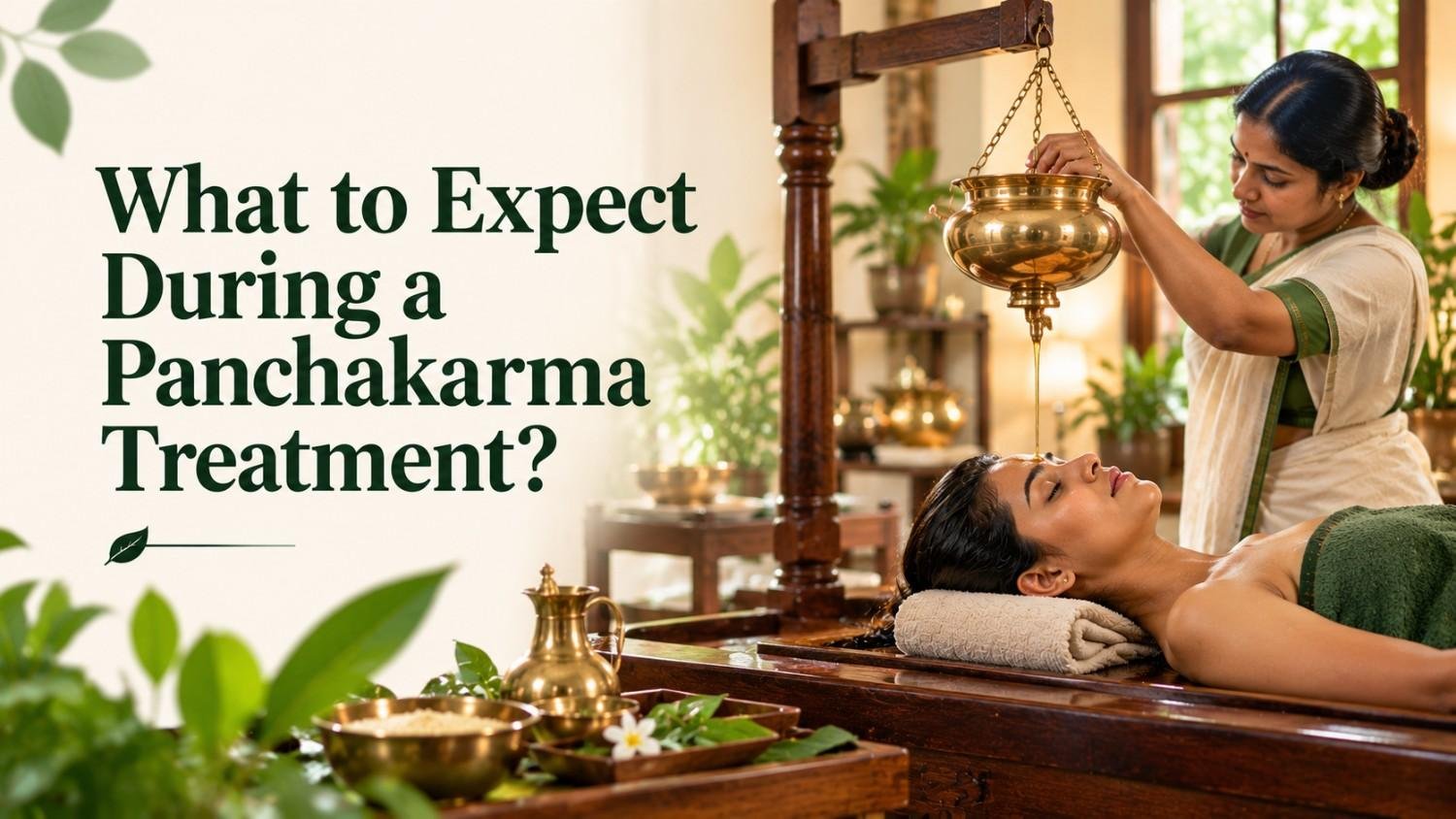
What to Expect During a Panchakarma Treatment? 10 Key Steps
What to Expect During a Panchakarma Treatment? This is a common question among people who are interested in traditional Ayurvedic healthcare and want to understand the process before making an appointment. Panchakarma is a specialised group of procedures in Ayurveda that may include preparation, selected therapies, dietary guidance, rest, and follow-up care. The exact experience depends on the person’s health, age, medical history, and the procedures recommended by a qualified Ayurvedic physician. It is not simply a massage or a general relaxation session. Understanding each stage can help individuals and families make informed decisions about their care.
People searching for Panchakarma treatment in Shoranur and other parts of Kerala may want to know how to prepare, what happens during treatment, how long it takes, and what recovery involves. The process can vary considerably because Panchakarma is traditionally planned according to individual needs. Some procedures may cause significant physical effects and require careful supervision. It is therefore important to understand both the traditional approach and the available scientific evidence before beginning treatment. A qualified physician should explain the purpose of each procedure, possible benefits, limitations, risks, and any precautions required for your particular circumstances.
1. What to Expect During a Panchakarma Treatment Consultation
The first step is usually a consultation with a qualified Ayurvedic physician. During this appointment, the physician may ask about your symptoms, eating habits, sleep, daily activities, previous illnesses, allergies, and general health. You should also explain any medical conditions you have and list the medicines, vitamins, herbal products, or supplements you currently take. This conversation helps the physician understand your needs and determine whether Panchakarma is suitable. You can ask questions about the treatment process, expected duration, preparation requirements, and possible side effects before making a decision.
The physician may also perform an appropriate examination and review relevant medical information. Not everyone is a suitable candidate for every Panchakarma procedure, and some people may be advised to consider another approach. For example, a person with significant dehydration, an acute illness, or a medical condition that increases treatment risks may need further assessment before proceeding. Children, older adults, pregnant individuals, and people with chronic diseases may require additional precautions. A responsible consultation should include a discussion of the expected benefits and limitations, rather than a promise that treatment will cure a particular disease.
2. Understanding the Preparation Stage Before Panchakarma
Preparation is an important part of many traditional Panchakarma programmes. Depending on the treatment plan, the physician may recommend changes to meals, daily activities, rest, or other habits before a specific procedure. Some traditional programmes include internal or external oil application and carefully supervised warming therapies. These are selected according to the person’s circumstances and the type of treatment being considered. Preparation is not identical for everyone, so patients should follow the instructions provided by their physician rather than copying another person’s routine.
You should ask your physician what you can eat, whether any medicines need special consideration, and how much time to allow for treatment and recovery. Do not stop prescribed medicines unless the clinician responsible for your care advises you to do so. Avoid beginning a fast, taking strong laxatives, or using herbal cleansing products independently. These actions can cause dehydration, weakness, or other complications. If you feel unwell before your appointment, inform the clinic before proceeding. Proper preparation should make the planned care safer and more manageable, not leave you exhausted or force you to ignore important symptoms.
3. What Happens During the Main Panchakarma Therapy Sessions?
The main treatment stage depends on the procedures selected by the Ayurvedic physician. Panchakarma traditionally includes five principal therapeutic approaches: Vamana, Virechana, Basti, Nasya, and Raktamokshana. Their use varies according to traditional practice, clinical circumstances, and the individual’s assessment. Not every patient receives all five procedures. Some treatment plans may focus on selected therapies or preparatory treatments instead. The physician should explain what each recommended procedure involves, why it has been chosen, and what sensations or side effects may occur during and after the session.
The experience can differ from one procedure to another. Some external therapies may involve applying oil or other preparations to the body, while certain procedures can affect bowel function or involve the nose. Procedures involving induced vomiting, purgation, enemas, or blood removal carry particular risks and must not be attempted at home. Their suitability requires careful professional assessment and appropriate monitoring. If you experience severe pain, faintness, breathing difficulty, significant bleeding, or another unexpected reaction, alert the treating professional immediately and seek urgent medical attention when necessary. You should never feel pressured to continue a procedure that is causing serious discomfort.
4. What to Expect During a Panchakarma Treatment Session
Before each session, the practitioner should explain the planned procedure and any instructions you need to follow. Depending on the therapy, you may be asked to change into suitable clothing, lie down in a comfortable position, or sit in a specific way. The duration, equipment, oils, and other materials used will depend on the treatment. You should be able to ask questions and tell the practitioner if you feel uncomfortable. Appropriate hygiene, clean equipment, and respectful communication are important parts of a safe treatment environment.
During an external therapy, some people may experience warmth, gentle pressure, or relaxation. Other procedures may be less comfortable and can produce noticeable physical effects. The response depends on the treatment and the individual. You should not assume that greater discomfort means a treatment is working better. Tell the practitioner about dizziness, nausea, pain, unusual weakness, or any other unexpected symptom. If a procedure has been prescribed as part of a larger programme, the practitioner should explain what happens next and whether you need time to rest before leaving the treatment area.
5. What Food and Drink Should You Expect During Panchakarma?
Food and drink recommendations vary according to the treatment plan, the person’s health, and the procedures being performed. Traditional Ayurvedic programmes may recommend simple meals and regular meal times during certain stages. A physician may advise specific foods based on the person’s digestion, nutritional needs, and recovery requirements. However, there is no single Panchakarma diet suitable for everyone. Children, older adults, people with diabetes, and those with other medical conditions may need individual dietary advice to ensure that they receive enough energy, protein, and fluids.
Ask your physician what you should eat and drink before, during, and after treatment. Do not assume that fasting or severe food restriction is necessary. Restrictive diets can be harmful, particularly for people with existing health conditions or nutritional deficiencies. Drinking too much water can also be unsafe in certain medical conditions, so follow appropriate individual guidance. If you develop persistent vomiting, diarrhoea, severe abdominal pain, or signs of dehydration, seek medical advice rather than trying to manage the problem through further cleansing. Adequate nutrition and hydration are important considerations throughout any treatment programme.
6. How Much Rest Is Needed During Panchakarma Treatment?
Rest may be recommended during some stages of a Panchakarma programme. The amount of rest depends on the procedures used and how the person responds. Some people may be advised to reduce strenuous exercise, avoid overexertion, and maintain a calm daily routine during treatment. The practitioner may also provide guidance about sleep, work, and other activities. These recommendations should be realistic and tailored to your needs. Rest is not the same as complete inactivity, and the appropriate level of movement depends on your health and the treatment you receive.
Before beginning the programme, discuss how it may affect your daily responsibilities. You may need to arrange transport, time away from work, or help with household tasks if the treatment causes temporary weakness or requires repeated visits. Older adults and people with mobility difficulties may need additional support. Do not ignore symptoms such as faintness, confusion, unusual weakness, or persistent dizziness because you assume they are a normal part of treatment. These may indicate a complication that needs assessment. Your practitioner should provide clear guidance about what is expected and when you should seek help.
7. What to Expect During a Panchakarma Treatment Recovery Period
Recovery depends on the procedures performed, the person’s overall health, and any effects experienced during treatment. After a session, the practitioner may recommend rest, particular meals, or temporary changes to physical activity. Some people may feel relaxed, while others may experience tiredness or digestive changes. These experiences are not guaranteed and should not be interpreted as proof that the treatment has removed toxins. If you have questions about how you feel after a session, contact your treating physician for advice.
Some Panchakarma procedures can cause complications, including dehydration, electrolyte disturbances, irritation, or other adverse effects. Severe weakness, fainting, persistent vomiting, significant diarrhoea, severe abdominal pain, breathing difficulties, or unusual bleeding should not be ignored. Seek urgent medical care when symptoms are severe. Before leaving the clinic, make sure you understand the recovery instructions, warning signs, and contact arrangements for follow-up questions. If you take regular medicines or have a chronic illness, your recovery plan should account for those needs and should not interrupt essential medical care.
8. How Many Days Does a Panchakarma Treatment Programme Take?
There is no single duration for every Panchakarma programme. The total time depends on the person’s health, the procedures selected, the preparation required, and the follow-up plan. Some programmes involve several sessions, while others may require more extended preparation and recovery. The physician should explain the expected schedule before treatment begins. It is useful to ask how long each appointment lasts, how frequently sessions are planned, and whether you will need to stay at a treatment centre or attend appointments as an outpatient.
Be cautious of claims that a particular number of days guarantees a specific health result. The length of a programme does not establish its effectiveness, and longer treatment is not automatically better. Consider the practical arrangements, including transport, accommodation if needed, food, work responsibilities, and support from family members. If your health changes during treatment, the physician may need to review the plan. The programme should remain responsive to your condition rather than continuing automatically regardless of symptoms. Clear scheduling and realistic expectations help you make an informed decision.
9. What Should Families Know Before Panchakarma Treatment?
Family members can help by understanding the treatment plan and supporting safe preparation and recovery. Before an appointment, write down questions about the procedures, possible side effects, expected duration, dietary recommendations, and follow-up. Bring a list of current medicines and relevant medical information. If the person receiving treatment is a child, an older adult, or someone who needs help with daily activities, a family member may be able to assist with communication and practical arrangements. The patient should remain involved in decisions to the extent possible and should understand what treatment is being proposed.
Extra care is necessary for children, pregnant individuals, older adults, and people with significant medical conditions. Adult treatment procedures should not automatically be applied to children, and pregnancy requires specific professional assessment before any procedure is considered. Families should also be alert to exaggerated claims about guaranteed cures or universal detoxification. Panchakarma should not replace prescribed medicines, vaccination, medical screening, or necessary specialist care. If a family member experiences an unexpected reaction, help them obtain appropriate medical assessment rather than assuming that discomfort is a normal part of the process.
10. How to Choose Panchakarma Treatment in Shoranur
If you are looking for Panchakarma treatment in Shoranur, start by checking the qualifications of the Ayurvedic physician and asking how patients are assessed before treatment. A responsible provider should explain the purpose of each procedure, possible benefits, limitations, risks, and follow-up arrangements. You can also ask about hygiene standards, the suitability of the treatment for your health conditions, and what happens if you experience side effects. Avoid choosing a provider solely because of advertisements or claims of guaranteed results. Clear explanations and appropriate safety procedures are important when evaluating any healthcare service.
Madhavam Ayurveda Hospital is associated with traditional Ayurvedic care in Shoranur, Palakkad, Kerala. If you are considering treatment there, confirm its current location, available procedures, consultation arrangements, and treatment requirements directly before travelling. If you specifically need care in Shoranur, verify that the provider is located in the area you intend to visit. Before agreeing to Panchakarma, make sure you understand the full treatment plan and have discussed relevant medical conditions with the appropriate healthcare professionals. A well-informed decision begins with an individual assessment, realistic expectations, and a clear understanding of potential risks.
Frequently Asked Questions
During Panchakarma treatment, you may undergo an initial consultation, an individual assessment, and selected Ayurvedic therapies. Depending on your needs, the plan may also include dietary guidance, rest, preparation, and follow-up care. The procedures and duration vary by individual, and a qualified practitioner should explain the process and potential risks before treatment begins.
The first consultation usually involves discussing your health history, current symptoms, daily routine, diet, medicines, and treatment goals. The practitioner assesses whether Panchakarma is appropriate and explains the proposed procedures. Share any allergies, chronic conditions, previous reactions to treatments, and other relevant health information.
Depending on the assessment and treatment plan, procedures may include oil-based massage, herbal steam treatments, or specific traditional cleansing procedures. Not every person receives every therapy. The practitioner should explain the purpose, preparation, expected sensations, possible side effects, and alternatives for each procedure.
Many external therapies are intended to feel relaxing, although the experience varies. Some procedures may cause discomfort, nausea, weakness, or other side effects. Tell the practitioner immediately if you feel pain, dizziness, breathing difficulty, or unusual discomfort. You should understand the risks before consenting to any procedure.
The length of a session depends on the specific therapy, preparation required, and the centre's treatment plan. Some external therapies may take less time than more involved procedures. Ask the practitioner for an estimated daily schedule, including preparation, treatment, rest, and follow-up instructions.
Dietary advice depends on your health, nutritional needs, and the procedures being used. Your practitioner may recommend a specific meal routine, but the plan should remain appropriate for your medical circumstances. Avoid extreme fasting or restrictive diets unless they have been assessed as suitable and are properly supervised.
Some Panchakarma programmes include periods of rest and recommendations to adjust daily activities. The amount of rest depends on the treatment and your individual response. Ask about work, exercise, travel, hydration, and other daily activities so you can plan safely around your treatment schedule.
Possible side effects depend on the procedures used and may include digestive changes, discomfort, dehydration, or weakness. Some intensive cleansing procedures can carry significant risks if unsuitable or poorly supervised. Discuss possible complications in advance and seek prompt medical care for severe or concerning symptoms.
After a session, you may receive instructions about rest, meals, hydration, and activity. Follow the guidance given for your specific procedure and report any unexpected symptoms. Do not assume that feeling tired or unwell is a necessary part of treatment; ask the practitioner how to respond to any adverse effects.
Before starting, share your medical history, current medicines, allergies, and any existing health conditions. Confirm the schedule, expected costs, preparation instructions, and aftercare arrangements. Do not stop prescribed medicines or begin fasting or cleansing practices without appropriate professional guidance. If you are pregnant, frail, or have a significant medical condition, discuss suitability before proceeding.